
Specialist Areas Within Medicine & Sugery
Explore the different kinds of medical specializations that aspiring physicians can choose as their career focus.
Today, we’ll explore the medical specialties and subspecialties that play a vital role in maintaining and improving the health of patients around the world.
Before we begin, let’s start by answering the most obvious question:
What Are Medical Specialties?
Healthcare is one of the most important pillars of society, and the world continues to need compassionate, highly skilled medical professionals. As a medical student, you will explore a wide range of medical specialties and subspecialties, each focused on a specific aspect of human health and patient care.
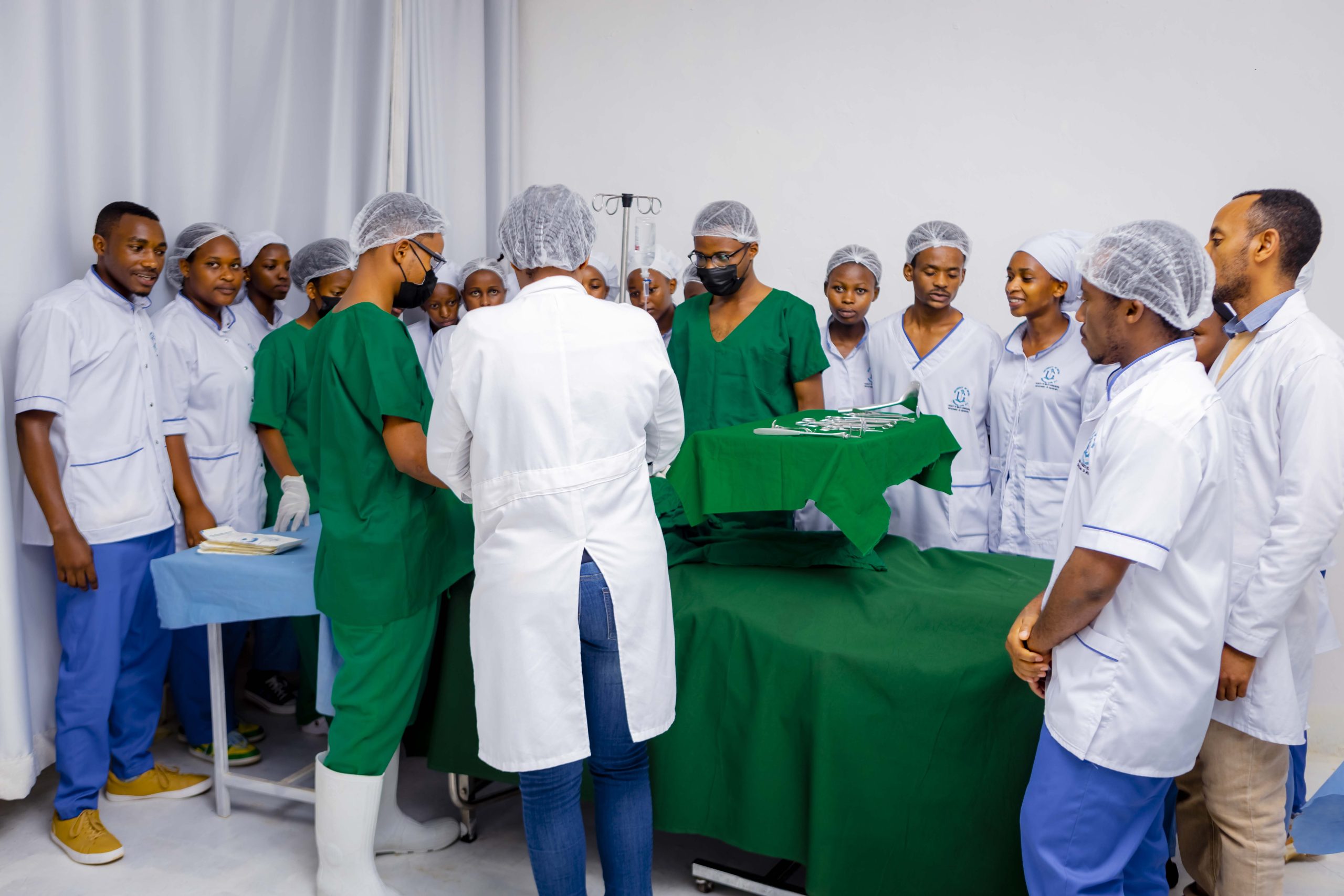
At the University of Gitwe, medical education is designed to equip students with the knowledge, clinical skills, and professional values needed to provide quality healthcare. Through classroom instruction, laboratory training, and supervised clinical practice, students gain practical experience across a variety of medical disciplines.
As students progress through their training, they are exposed to core areas of medicine, including internal medicine, surgery, pediatrics, obstetrics and gynecology, psychiatry, and community medicine. These experiences help them develop a broad understanding of healthcare while preparing them to pursue areas of interest for future specialization.
In this guide, we explore some of the major medical specialties and subspecialties, what each field involves, and the unique roles these professionals play in improving patient health and advancing healthcare. Whether you are considering a career in medicine or planning your future training, understanding these specialties is an important step in your professional journey.
Internal Medicine and Subspecialties
Internal medicine is a medical specialty focused on the prevention, diagnosis, and treatment of diseases affecting adults. Physicians in this field, known as internists, manage a wide range of acute and chronic conditions, emphasizing comprehensive, patient-centered care.
At the University of Gitwe, students are introduced to the principles and practice of internal medicine through classroom learning and supervised clinical training, helping them build the knowledge and clinical skills needed to care for adult patients and prepare for future specialization.
Allergy and immunology
At the University of Gitwe, students are introduced to allergy and immunology, a medical specialty focused on the prevention, diagnosis, and treatment of immune system disorders and allergic diseases. Through their training, they learn to recognize and manage conditions such as asthma, eczema, food and drug allergies, immune deficiencies, and autoimmune disorders while building a strong foundation for future clinical practice or specialization.
Anesthesiology
At the University of Gitwe, students are introduced to anesthesiology, a critical branch of medicine focused on the safe administration of anesthesia and the management of pain before, during, and after surgical procedures. Anesthesiologists play an essential role in surgical care, as well as in areas such as obstetrics, pediatric care, and chronic pain management. Through clinical training, students develop knowledge of patient safety, perioperative care, and effective pain management practices, preparing them for clinical practice and future specialization.
Emergency medicine
At the University of Gitwe, students are introduced to emergency medicine, a vital medical specialty focused on providing immediate care to patients with acute illnesses, injuries, and life-threatening conditions. Emergency physicians work in fast-paced environments, including emergency departments and pre-hospital care settings, where rapid assessment, decision-making, and effective treatment are essential.
Through their training, students develop skills in managing medical emergencies, trauma cases, and urgent conditions across different patient populations. Emergency medicine also offers opportunities for further specialization, including pediatric emergency care, disaster medicine, and pre-hospital emergency services, allowing physicians to develop expertise in critical care situations.
Histopathology
At the University of Gitwe, students are introduced to histopathology, a medical specialty focused on the microscopic examination of cells and tissues to diagnose diseases and guide patient management. Using advanced laboratory techniques, pathologists analyze tissue samples from procedures such as biopsies, cancer screenings, and post-mortem examinations to provide essential information for accurate diagnosis and treatment planning.
Histopathology offers opportunities for further specialization in areas such as hematopathology, dermatopathology, and forensic pathology. Through their training, students develop an appreciation of the important role laboratory medicine plays in understanding disease processes and improving patient care.
Obstetricians and Gynecologists
At the University of Gitwe, students are introduced to obstetrics and gynecology (OB/GYN), a medical specialty focused on women’s reproductive health, pregnancy care, childbirth, and conditions affecting the female reproductive system. This broad field combines medical management and surgical care, requiring physicians to provide comprehensive support throughout different stages of a patient’s life.
The specialty includes areas such as maternal-fetal medicine, gynecologic oncology, and reproductive endocrinology and infertility. Through their training, students develop an understanding of pregnancy management, reproductive health conditions, and the importance of compassionate, patient-centered care while preparing for clinical practice and future specialization.
Diagnostic radiology
At the University of Gitwe, students are introduced to diagnostic radiology, a medical specialty that uses imaging techniques such as X-rays, ultrasound, CT, and MRI to diagnose and monitor diseases and injuries. The field offers opportunities for specialization in areas such as neuroradiology, musculoskeletal radiology, and interventional radiology, highlighting the essential role of medical imaging in patient care.
Cardiology
At the University of Gitwe, students are introduced to cardiology, a specialized field of medicine dedicated to the prevention, diagnosis, and management of diseases affecting the heart and circulatory system. Cardiologists provide care for patients with conditions such as coronary artery disease, heart failure, arrhythmias, and other cardiovascular disorders, combining clinical expertise with advanced diagnostic and therapeutic approaches. The specialty also offers opportunities for further training in areas such as interventional cardiology, electrophysiology, and cardiac imaging.
Pediatrics
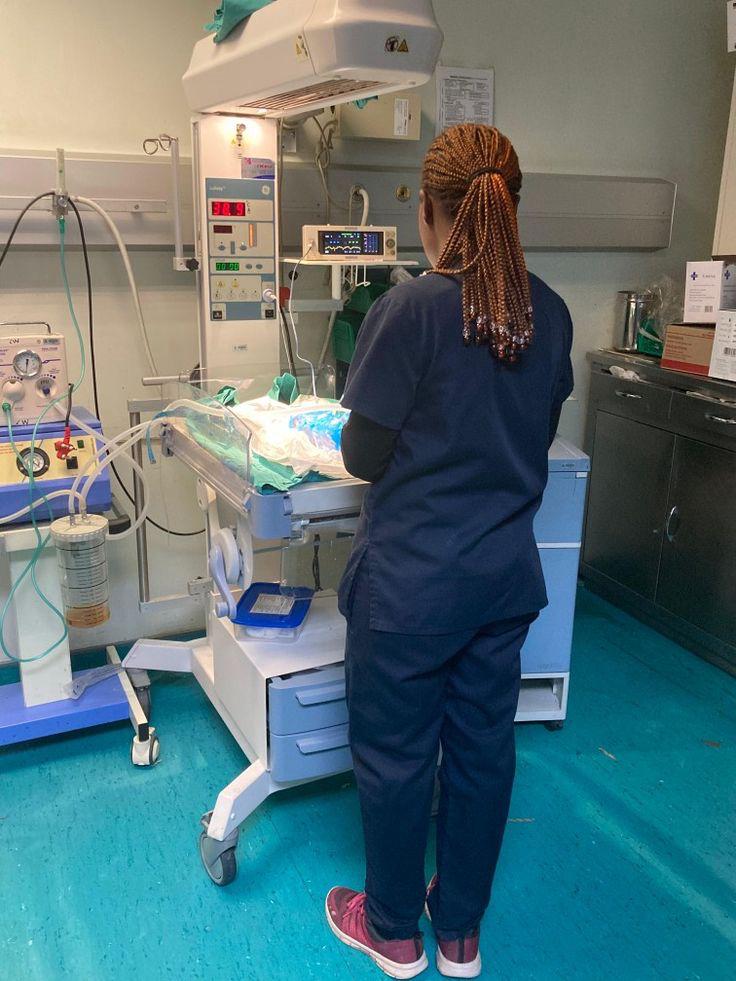
At the University of Gitwe, students are introduced to pediatrics, a medical specialty dedicated to the health and well-being of infants, children, and adolescents. Pediatricians provide preventive care, diagnose and treat childhood illnesses, and work closely with families to support healthy development. The field offers opportunities for further specialization in areas such as neonatology, pediatric cardiology, pediatric oncology, and pediatric emergency medicine.
Neurology
At the University of Gitwe, students are introduced to neurology, a medical specialty focused on disorders of the brain, spinal cord, and peripheral nervous system. Neurologists diagnose and manage conditions such as stroke, epilepsy, Parkinson’s disease, and other neurological disorders using clinical assessments and advanced diagnostic techniques. The field offers opportunities for specialization in areas such as vascular neurology, neurophysiology, movement disorders, neuromuscular medicine, and child neurology.
Psychiatry
At the University of Gitwe, students are introduced to psychiatry, a medical specialty focused on the diagnosis, treatment, and prevention of mental, emotional, and behavioral disorders. Psychiatrists use a combination of clinical assessment, psychotherapy, medication management, and collaborative care approaches to support patients’ mental health and overall well-being. The field offers opportunities for specialization in areas such as child and adolescent psychiatry, addiction psychiatry, geriatric psychiatry, and consultation-liaison psychiatry.
General Surgery
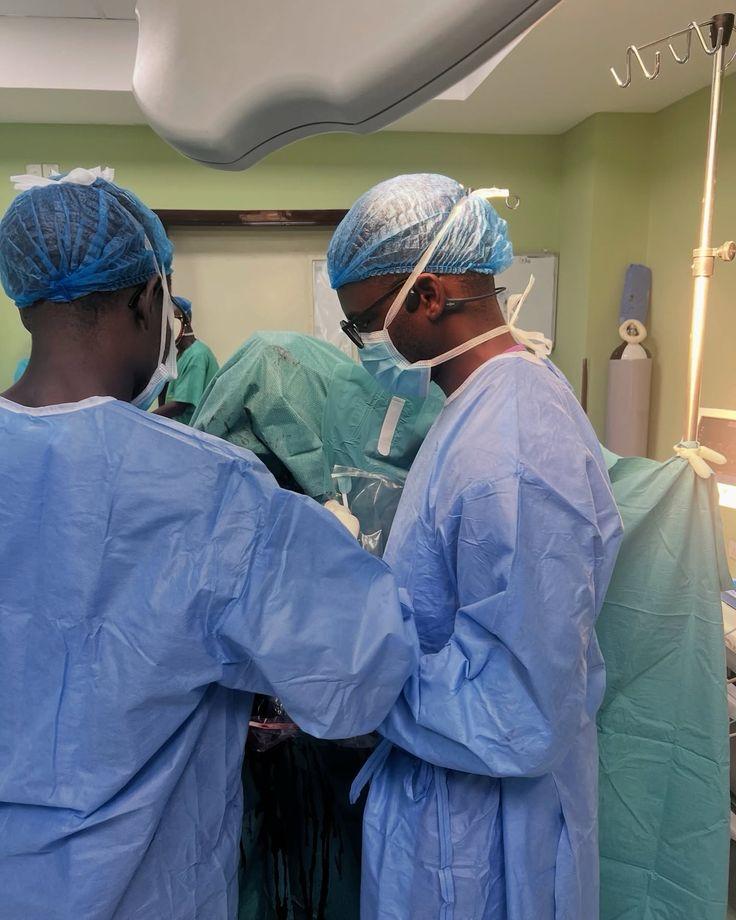
At the University of Gitwe, students are introduced to general surgery, a medical specialty focused on the operative and perioperative management of a wide range of conditions affecting areas such as the abdomen, soft tissues, and endocrine system. Surgeons combine technical skills, clinical judgment, and decision-making to provide effective surgical care. The field offers opportunities for specialization in areas such as trauma and critical care, colorectal surgery, endocrine surgery, and minimally invasive surgery.
Orthopedic Surgery
At the University of Gitwe, students are introduced to orthopedic surgery, a specialized field of medicine focused on the diagnosis, treatment, and management of conditions affecting the musculoskeletal system, including bones, joints, muscles, ligaments, and connective tissues. Orthopedic surgeons care for patients with injuries, fractures, degenerative conditions, and complex disorders that affect mobility and quality of life.
The specialty combines surgical expertise, clinical decision-making, and rehabilitation planning to help patients restore function and improve long-term outcomes. Orthopedic surgery offers opportunities for further specialization in areas such as sports medicine, spine surgery, hand surgery, orthopedic oncology, and pediatric orthopedics, allowing physicians to develop expertise in specific patient needs and treatment approaches.
Urology
At the University of Gitwe, students are introduced to urology, a medical specialty focused on the diagnosis and treatment of conditions affecting the urinary tract and male reproductive system. Urologists combine medical and surgical approaches to manage disorders such as kidney stones, urinary conditions, and reproductive health issues. The field offers opportunities for specialization in areas such as urologic oncology, pediatric urology, and reconstructive surgery.
Dermatology
At the University of Gitwe, students are introduced to dermatology, a medical specialty focused on the diagnosis and treatment of conditions affecting the skin, hair, and nails. Dermatologists manage a wide range of conditions, from common skin disorders to complex diseases such as skin cancer, using medical, surgical, and procedural approaches. The field offers opportunities for specialization in areas such as dermatopathology, pediatric dermatology, and procedural dermatology.
Ophthalmology
At the University of Gitwe, students are introduced to ophthalmology, a medical specialty that combines medical and surgical approaches to diagnose and treat conditions affecting the eyes and vision. Ophthalmologists manage disorders such as cataracts, glaucoma, and retinal diseases while helping preserve and improve patients’ eye health. The field offers opportunities for specialization in areas such as retinal surgery, cornea care, glaucoma, pediatric ophthalmology, and oculoplastic surgery.
Family Medicine
Family medicine provides comprehensive, continuous care to patients of all ages. Physicians manage acute and chronic illnesses, preventive care, and health education. Subspecialties include sports medicine, geriatrics, adolescent medicine and palliative care.
How to Choose Your Medical Specialty?
Choosing a medical specialty is an important decision that shapes your future career in healthcare. At the University of Gitwe, students have the opportunity to explore different areas of medicine, gain clinical experience, and identify the fields that best match their interests, skills, and career goals.
1. Understand Your Interests and Strengths
Consider the areas of medicine that inspire you most. Think about whether you enjoy fast-paced decision-making, long-term patient relationships, surgical procedures, or diagnostic challenges. Choosing a specialty that aligns with your abilities and personality can contribute to long-term professional satisfaction.
2. Gain Clinical Exposure
Clinical rotations, electives, and practical experiences provide valuable insight into different specialties. Exposure to various medical fields helps students understand patient populations, daily responsibilities, and the working environment of each specialty.
3. Consider Training Requirements
Each specialty has different educational pathways, training durations, and opportunities for further specialization. Understanding these requirements can help you plan your medical career effectively.
4. Evaluate Lifestyle and Career Goals
Different specialties involve varying schedules, responsibilities, and patient care settings. Consider how a specialty fits with your personal goals, preferred work environment, and approach to patient care.
5. Explore Future Opportunities
Healthcare continues to evolve with advances in technology, research, and changing community needs. Exploring trends in medicine can help you identify specialties with meaningful opportunities for growth and impact.
6. Seek Guidance and Mentorship
Learning from experienced physicians, faculty members, and healthcare professionals can provide valuable perspectives on different specialties. Mentorship helps students make informed decisions based on real clinical experiences.
7. Stay Open to New Possibilities
Your interests may develop and change throughout medical training. Remain curious and open-minded as you explore different fields. Your ideal specialty may be one you discover along the way.
Choosing a medical specialty is a personal journey that combines passion, skills, experience, and professional goals. The University of Gitwe supports students in exploring diverse medical fields and preparing for successful careers in healthcare.
adolescent medicine and palliative care.
Conclusion
No matter which medical specialty you are considering, the University of Gitwe provides the foundation, knowledge, and clinical skills needed to support your journey toward becoming a successful healthcare professional. Whether you have a clear career goal or are still exploring different areas of medicine, the University of Gitwe offers a supportive learning environment where students can develop their abilities and discover their interests.
Through a strong academic curriculum, dedicated faculty, and practical clinical training, students are prepared to build the competencies required for medical practice and future specialization. The University of Gitwe is committed to nurturing compassionate, skilled, and knowledgeable physicians who can contribute meaningfully to healthcare and serve communities with excellence.